I killed three houseplants last year by overwatering them. Not neglect — the opposite. I watered them on a schedule because that’s what the care tag said, and the roots rotted because the soil was still wet from the last watering. Turns out “water every 7 days” doesn’t account for humidity, pot size, sunlight exposure, or the fact that my apartment runs dry in winter and humid in summer.
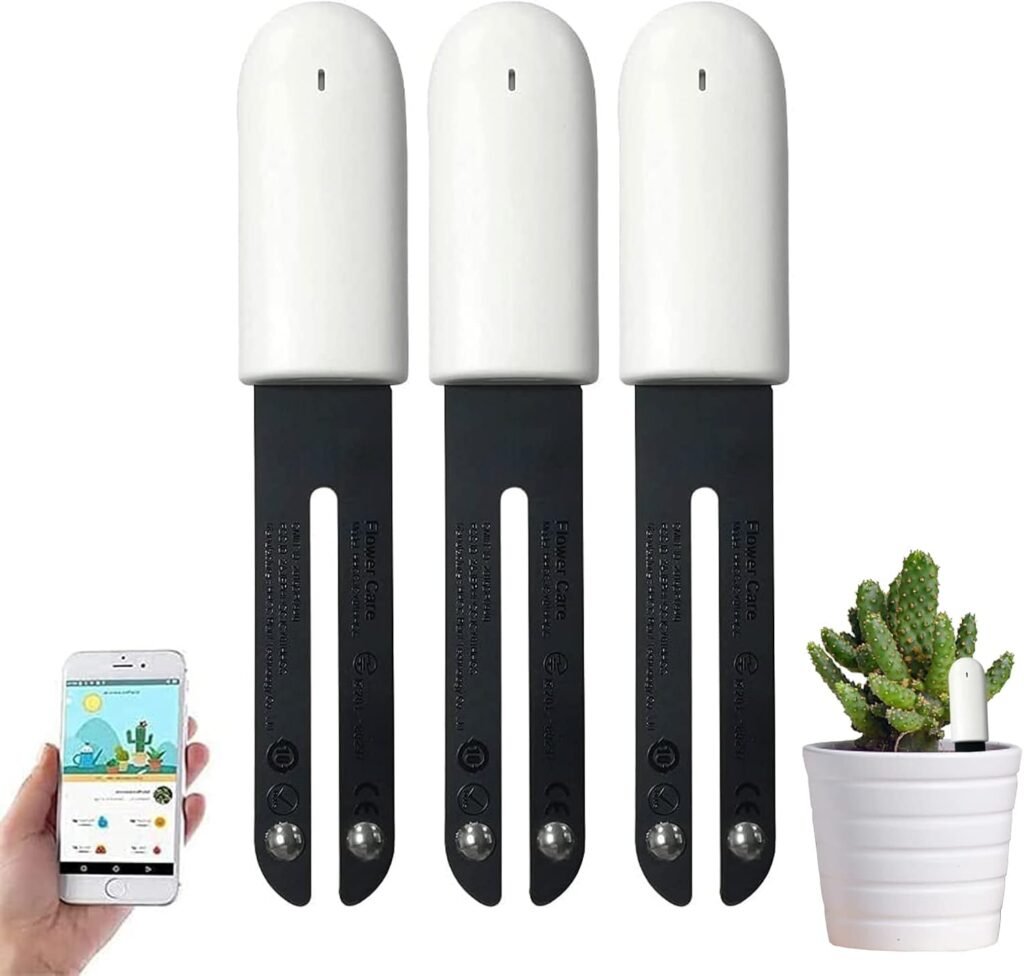
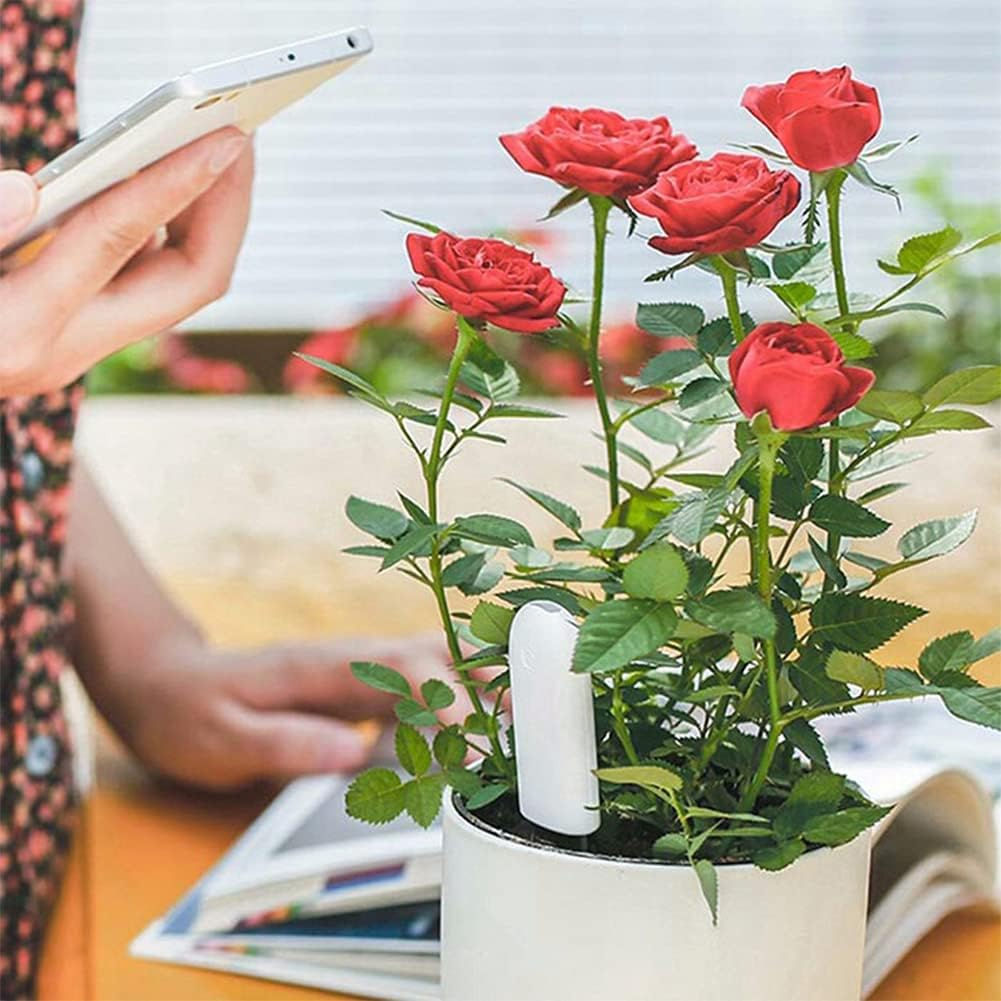
A Bluetooth soil moisture sensor removed all the guessing. I stick the probe in the soil, and the app tells me the current moisture level, light exposure, temperature, and — most importantly — whether the plant actually needs water right now. Three months in and everything is alive, which is a personal record.
The Smart Soil Probe That Monitors Moisture, Light, and Temperature
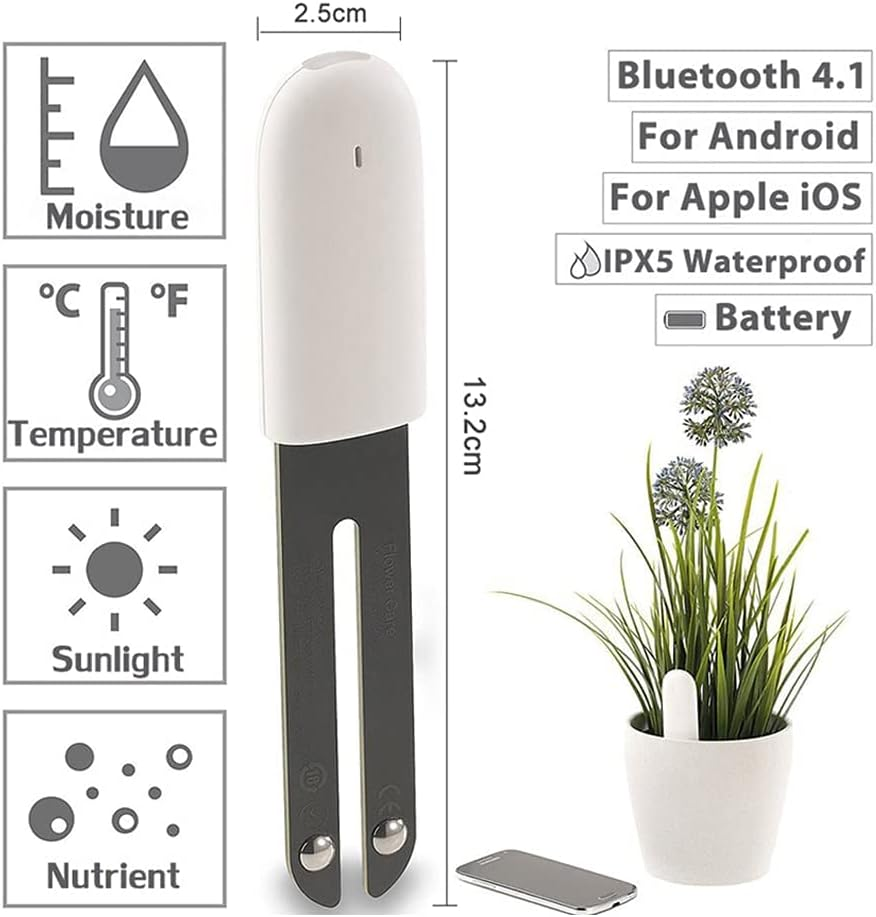
This is one of Amazon’s top-rated smart soil sensors in the $12–$30 range — featuring Bluetooth connectivity to a smartphone app, real-time moisture readings, light intensity tracking, temperature monitoring, and a plant database with care recommendations.
What makes a smart soil sensor better than a basic moisture meter:
– App-connected with push notifications — tells you when to water instead of requiring you to check manually
– Historical data tracking — shows moisture trends over weeks so you can see how fast each plant’s soil dries
– Light intensity measurement — identifies whether a plant is getting enough, too much, or too little light for its species
– Plant database matching — input your plant type and the app calibrates watering thresholds to that species’ actual needs
– Battery lasts 6–12 months — low-energy Bluetooth means you’re not constantly recharging or replacing batteries
Smart Sensor vs. Basic Moisture Meter: When to Upgrade
A $5 analog moisture meter and a $25 smart sensor both tell you if soil is wet or dry. The difference is what happens with that information:
– Basic meter: requires you to physically check each plant, no history, no species-specific guidance, no notifications
– Smart sensor: pushes alerts to your phone, tracks trends, adjusts recommendations by plant type and season
– If you have 1–3 low-maintenance plants, a basic meter is fine — you’ll check them naturally
– If you have 5+ plants or frequently travel, the smart sensor’s notifications prevent the slow death of forgotten plants
A soil sensor pairs well with automated watering for a fully hands-off plant care system. The smart sprinkler controller guide covers how outdoor sensor data can trigger irrigation adjustments for gardens and lawns — the same principle applied at a larger scale.
Before vs. After the Smart Soil Sensor
Before:
– Watered on a fixed schedule regardless of actual soil moisture — leading to overwatering and root rot
– Guessed at light levels — didn’t realize my “bright” window only delivered medium-low light
– Lost three plants to root rot and two to underwatering in a single year
– Assumed I was bad at plants when the problem was bad information
After:
– Water only when the sensor says the soil has dried to the threshold for that specific plant species
– Moved two plants to better light positions based on actual light readings — growth improved noticeably
– Zero plant deaths in three months — first time in my plant-keeping history
– App notifications mean I never forget to check — the sensor does the remembering for me
5 Tips for Getting Accurate Readings From a Soil Sensor
– Insert the probe at root level, not near the surface — the top inch of soil dries faster than the root zone, giving a misleadingly dry reading.
– Position the probe away from the pot edge — soil near the edge dries faster than the center, especially in terracotta pots.
– Calibrate the app to your specific plant species — default thresholds are generic. A succulent and a fern have wildly different “time to water” moisture levels.
– Check light readings at different times of day — a window that gets 4 hours of direct morning sun shows very different readings at noon versus 3 PM.
– Replace the battery proactively when the app shows low power — a dying battery gives inaccurate moisture readings before it dies completely.
For a full smart home setup that includes plant monitoring alongside security and climate control, the smart home hub guide explains how different smart devices can connect through a single dashboard for whole-home awareness.
Q&A: Soil Moisture Sensor Questions People Search For
Q: How many sensors do I need?
One per plant is ideal but not always practical. At minimum, put sensors in your most valuable or finicky plants and in any plant you’ve previously killed from watering issues. Plants with similar needs in similar conditions can share a reference sensor.
Q: Do they work in outdoor garden beds?
Most Bluetooth sensors have a 30–50 foot range — fine for a patio or balcony garden. For a large outdoor garden, look for WiFi-connected sensors that report through your home network regardless of distance.
Q: Will the probe damage roots?
No — the probes are thin and designed to slide between roots. Insert gently and avoid forcing through dense root balls. If you hit resistance, reposition slightly rather than pushing through.
Q: Can I use it for succulents that need to dry completely between waterings?
Absolutely — this is one of the best use cases. The sensor tracks exactly when the soil reaches full dryness so you know it’s safe to water again. Succulents are the plants most often killed by watering too soon.
Final Take
A smart soil moisture sensor replaces guessing with data. If you’ve ever killed a plant by watering too much or too little — which is nearly everyone — a $15–$25 sensor pays for itself the first time it saves a $30 plant from root rot.
Data instead of guessing. Notifications instead of forgetting. Plants that actually survive.
Probe in. App open. Watering finally correct.
Affiliate disclosure: This article may contain affiliate links. If you purchase through them, SimpleHomeGadgets.com may earn a small commission at no additional cost to you.